
EW4ALL
Building a Greener Future Together
We are committed to protecting nature, promoting sustainability, and inspiring eco-friendly actions worldwide.

 EW4ALL
Early Warnings for All (EW4All) Initiative
The Early Warnings for All (EW4All) Initiative is a global United Nations-led effort launched in 2022 by UN Secretary-General António Guterres to ensure that every person on Earth is protected by life-saving multi-hazard early warning systems by the end of 2027. The initiative responds to the growing impacts of climate change, including more frequent and severe storms, floods, droughts, heatwaves, and other weather-related hazards.
EW4All is jointly led by the World Meteorological Organization (WMO) and the United Nations Office for Disaster Risk Reduction (UNDRR), with key support from the International Telecommunication Union (ITU) and the International Federation of Red Cross and Red Crescent Societies (IFRC).
The initiative recognizes that while early warning systems are among the most effective tools for saving lives and reducing economic losses, significant gaps remain, particularly in developing countries and Small Island Developing States (SIDS). EW4All aims to address these gaps by strengthening national and community capacities to anticipate, prepare for, and respond to climate and disaster risks.
EW4All is built around four key pillars:
Observations, Monitoring and Forecasting – Strengthening weather, climate, and hydrological monitoring systems and forecasting capabilities.
Emergency Response Frameworks: Improving legal mechanisms that enable effective national and international disaster response, including the movement of humanitarian assistance across borders.
Warning Dissemination and Communication – Ensuring warnings reach all people in a timely, accessible, and understandable manner.
Preparedness and Response Capability – Supporting governments and communities to take early action based on warnings received.
The initiative’s Executive Action Plan estimates that an investment of approximately US$3.1 billion over five years is needed to expand and strengthen global early warning coverage. This investment is expected to significantly reduce disaster-related deaths, economic losses, and damage to livelihoods and infrastructure.
Key Objective
To ensure that everyone, everywhere, particularly vulnerable populations, has access to effective, people-centered early warning systems and can take timely action to reduce the impacts of climate-related hazards.
Relevance for the Pacific
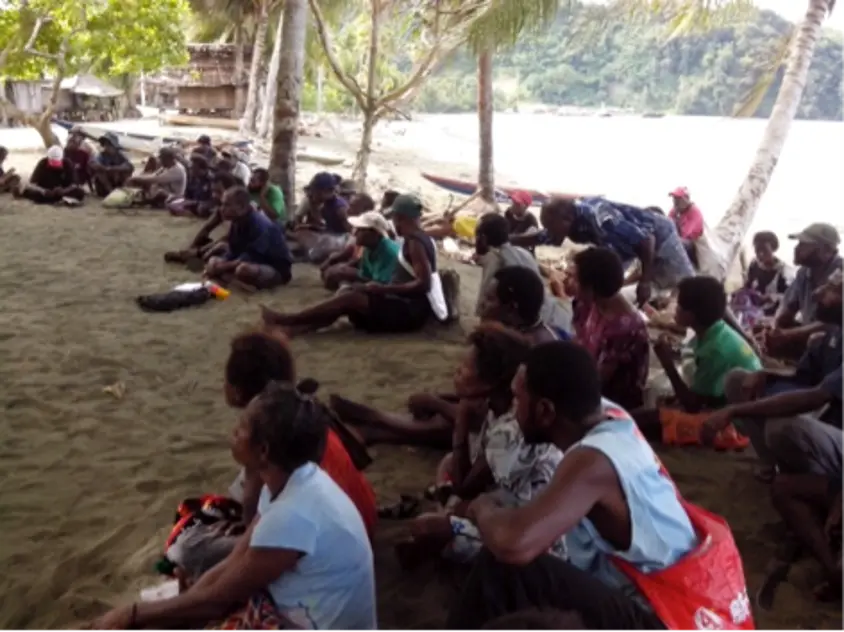
For Pacific Island countries, including Fiji, the EW4All Initiative is particularly important as it supports efforts to strengthen resilience against tropical cyclones, floods, coastal inundation, droughts, and other climate-related hazards. Improved early warning systems help protect lives, livelihoods, infrastructure, food security, and economic development across vulnerable island communities.